Hiking Poles Guide: When Do You Actually Need Hiking Poles
Author:Mike Fakunle
|
Released:December 2, 2025
Hiking poles are one of the most debated trail tools among hikers. Many people wonder if hiking poles are truly helpful or just extra gear to carry.
Some hikers swear by trekking poles for balance and joint relief, while others never touch them. Understanding when to use hiking poles depends on terrain, body condition, pack weight, and trail length. This guide breaks it down clearly so the decision feels simple.
What Hiking Poles Are Designed To Do For The Body
Hiking poles are built to reduce stress, improve balance, and share workload across the body.
How Hiking Poles Reduce Knee And Joint Stress On Descents
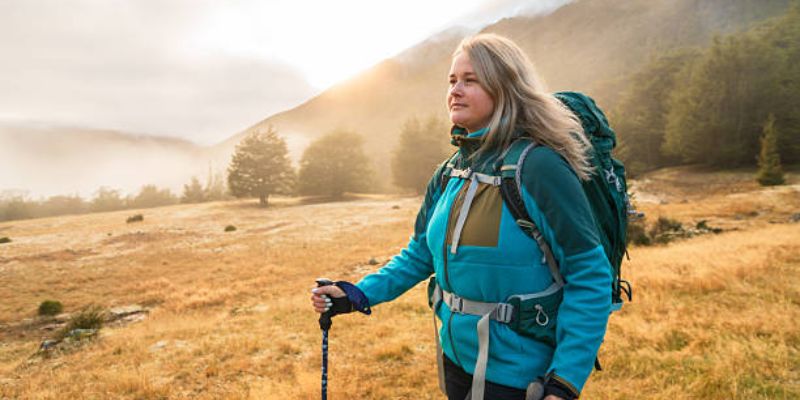
Downhill hiking puts heavy pressure on knees and ankles. Hiking poles act as extra contact points, letting arms absorb part of the impact. This reduces strain during long descents and protects joints over time. Many medical hiking studies referenced across trail safety guidance note this benefit clearly.
How Hiking Poles Improve Balance On Uneven Terrain
Rocks, roots, and loose gravel can cause slips. Trekking poles widen the base of support, making balance easier. This is one of the strongest hiking pole benefits, especially on unfamiliar trails.
How Hiking Poles Help Manage Fatigue Over Long Distances
On long hikes, legs tire faster than arms. Hiking poles shift some effort to the shoulders and arms, helping maintain energy. This becomes noticeable after several miles.
Why Hiking Poles Matter More With Age, Weight, Or Prior Injuries
Older hikers and heavier hikers feel joint stress sooner. Hiking poles for beginners in these groups can prevent pain and increase confidence on trails.
Terrain Types Where Hiking Poles Are Actually Useful
Terrain plays a major role in deciding when to use hiking poles.
Steep Downhill Trails And Long Descents
This is where hiking poles shine most. Continuous downhill walking strains knees, and poles reduce impact step after step.
Rocky, Root-Filled, Or Loose Gravel Trails
Uneven surfaces challenge balance. Trekking poles provide stability and help test footing before stepping.
Mud, Sand, Snow, And Slippery Surfaces
Soft or slick ground causes frequent slips. Extra contact points from hiking poles improve traction and control. Winter and shoulder-season hikers rely on this heavily.
Stream Crossings And Wet Trail Conditions
Water crossings become safer with poles. They help probe depth and steady movement across slippery rocks.
Flat, Groomed Trails Where Hiking Poles Add Little Value
On smooth paths, hiking poles often feel unnecessary. Many hikers prefer free hands in these conditions.
Hiking Poles On Uphill Trails: Helpful Or Overrated
Uphill usefulness depends on slope and technique.
When Hiking Poles Help On Steep Climbs
On steep ascents, trekking poles help push the body upward and reduce leg load. This helps on long climbs with heavy packs.
When Hiking Poles Waste Energy On Gentle Ascents
On mild inclines, arm movement may feel inefficient. Some hikers expend more energy than they save.
How Proper Pole Length Changes Uphill Effectiveness
Shortening poles improves uphill leverage. An incorrect length reduces hiking pole benefits and causes fatigue.
Backpack Weight And Its Impact On Needing Hiking Poles
Pack weight changes everything.
Day Hikes With Light Packs
For short hikes with light loads, hiking poles are optional. Many hikers skip them comfortably.
Overnight Hikes With Moderate Pack Weight
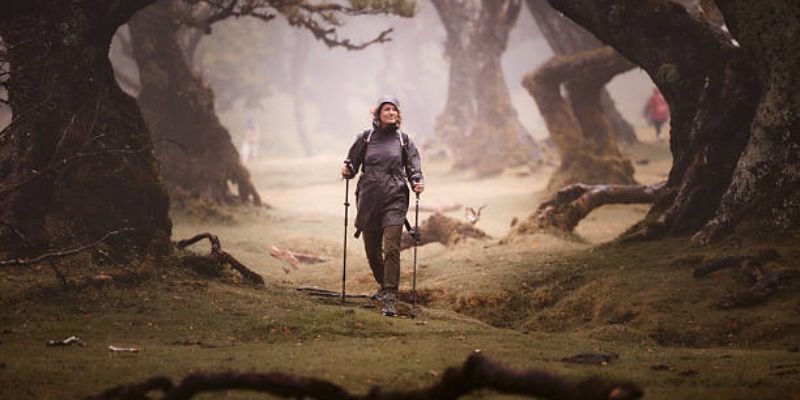
As weight increases, poles help maintain balance and reduce strain. This is where many hikers start appreciating trekking poles.
Multi-Day Backpacking With Heavy Loads
Heavy packs increase joint stress. Hiking poles distribute load and improve stability, especially on uneven terrain, as commonly discussed in long-distance hiking education across outdoor gear knowledge hubs.
How Hiking Poles Redistribute Load From Legs To Upper Body
Using poles correctly spreads effort across arms, shoulders, and core. This delays leg fatigue and supports endurance.
Hiking Poles For Different Types Of Hikers
Different hikers benefit differently.
Beginners Learning Trail Balance And Pacing
Hiking poles for beginners provide confidence and stability while learning foot placement and pacing.
Older Hikers Protecting Joints And Stability
Joint protection is one of the most practical hiking pole benefits for older hikers.
Overweight Hikers Reducing Joint Impact
Extra body weight increases joint stress. Trekking poles reduce that pressure, especially downhill.
Trail Runners And Fast Hikers
Some runners use lightweight poles on steep terrain but leave them behind on flat trails.
Experienced Hikers Who Prefer Minimal Gear
Many experienced hikers skip poles on easy terrain but carry collapsible ones for harder sections.
Weather And Seasonal Conditions That Change Pole Necessity
The weather often decides when to use hiking poles.
Wet Weather And Slippery Trail Conditions
Rain increases slip risk. Hiking poles improve stability and reduce falls.
Snow, Ice, And Early-Season Mountain Hiking
Snowy trails almost require poles for balance and probing. This safety practice aligns with winter travel principles explained across mountain safety organizations.
Dry Summer Trails And Desert Hikes
Dry, firm trails reduce the need for poles unless distances are long or terrain is rough.
When Hiking Poles Can Become A Disadvantage
Poles are not always helpful.
Narrow Trails Requiring Hand Scrambling
Scrambling requires free hands. Poles become obstacles in these moments.
Overgrown Trails And Dense Brush
Vegetation catches poles and slows progress.
Constant Pole Planting Causing Arm Fatigue
Poor technique leads to sore wrists and shoulders, canceling hiking pole benefits.
Poor Technique Leading To Shoulder Or Wrist Pain
Incorrect grip and posture strain joints. Proper technique matters.
How To Decide If You Personally Need Hiking Poles
The choice should feel practical, not forced.
Questions To Ask Before Bringing Hiking Poles
Consider distance, terrain, pack weight, and weather. These factors answer when to use hiking poles better than opinions.
Testing Hiking Poles On Short Hikes First
Trying poles on easy hikes reveals comfort level without risk.
Renting Or Borrowing Before Buying
Testing helps decide if trekking poles suit personal hiking style.
Signs Hiking Poles Are Helping Versus Hurting
Less knee pain and better balance signal success. Arm soreness and frustration suggest adjustment or skipping them.
Common Myths About Hiking Poles
Misconceptions confuse many hikers.
Hiking Poles Are Only For Elderly Hikers
Hiking poles for beginners and experts alike serve practical purposes.
Hiking Poles Slow You Down
On rough terrain, poles often improve pace by preventing slips.
Hiking Poles Replace Good Footwear
Poles support movement but cannot replace proper boots.
Hiking Poles Versus No Poles In Real Trail Scenarios
Real use depends on context.
Short Local Hikes Under Two Hours
Many hikers skip poles without issue.
Long-Distance Hikes Over Five Miles
Fatigue and terrain changes make hiking poles more valuable.
Technical Trails Versus Casual Walks
Rough trails favor poles, while smooth paths do not.
Solo Hiking Versus Group Hiking
Solo hikers often value the added safety of trekking poles.
When Hiking Poles Truly Make Sense
Hiking poles make the most sense on steep descents, long distances, uneven terrain, heavy packs, and slippery conditions. Knowing when to use hiking poles helps hikers choose comfort and safety without unnecessary gear. The goal is not always carrying poles, but to use them when they clearly help.
Sources
Related Posts
Guides and Tips
From Free to Pro: 13 Best GPS & Navigation Tools for Hikers
Outdoor Gear
What to Pack for a Day Hike: Essential Gear You Shouldn't Forget
Guides and Tips
Top Hiking GPS Devices for Navigation That Actually Work on Real Trails
Destinations
Best Hidden Waterfall Hikes in Colorado for Beginners
Guides and Tips
Ultralight Hiking Gear List for Beginners That Actually Works
Guides and Tips